





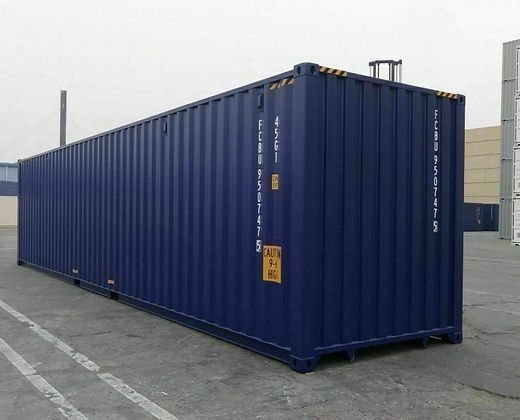
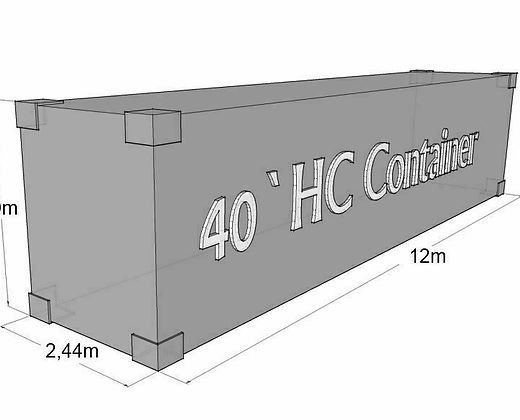
Conteneur maritime ou de stockage 40`HC comme neuf
Le prix initial était : 2,499.00€.1,299.00€Le prix actuel est : 1,299.00€.DESCRIPTIONS
Dimensions
| Dimensions extérieures | Dimensions intérieures | |
|---|---|---|
| Longueur | 12192 mm | 12034 mm |
| Largeur | 2438 mm | 2352 mm |
| Hauteur | 2896 mm | 2698 mm |
| Tare | Charge utile max. | MMA |
| 3940 kg | 26540 kg | 30480 kg |
Caractéristiques
- Certification ISO
- Certification CSC
- Wind & Water Tight
- Cargo Worthy
- Sol en bois
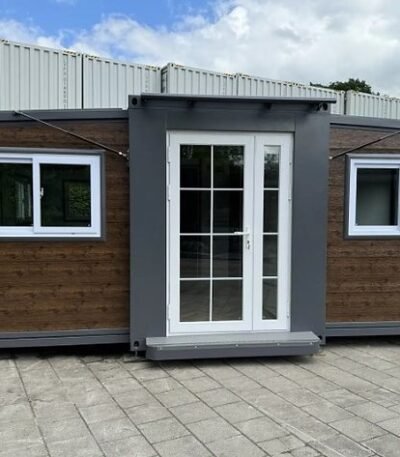
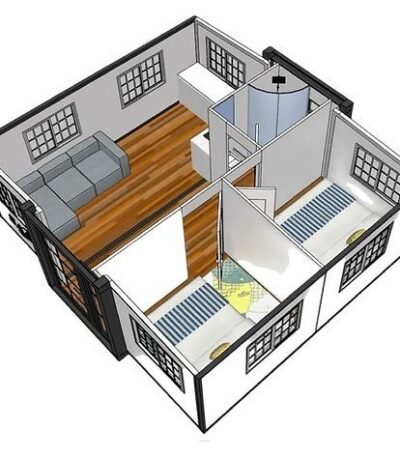
Conteneur Mobile – Tiny House avec Deux Chambres et Cuisine
Le prix initial était : 8,950.00€.5,990.00€Le prix actuel est : 5,990.00€.Conteneur Mobile – Tiny House avec Deux Chambres et Cuisine
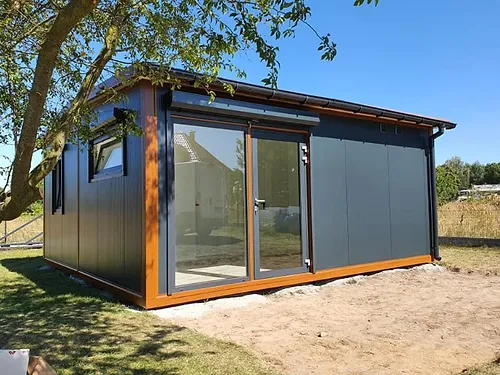
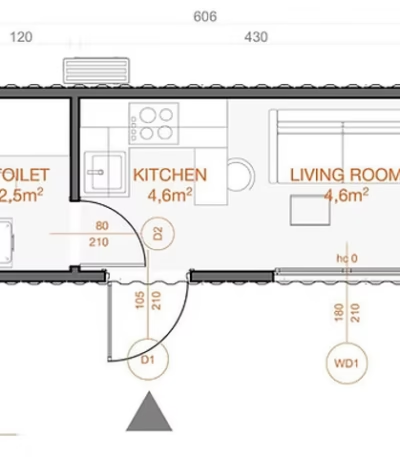
Conteneur mobile – Tiny House avec deux chambres (32 m²)
Conteneur mobile – Tiny House avec deux chambres (32 m²)
Conteneur mobile – Tiny House avec deux chambres (32 m²)
Conteneur mobile – Tiny House avec deux chambres (32 m²)
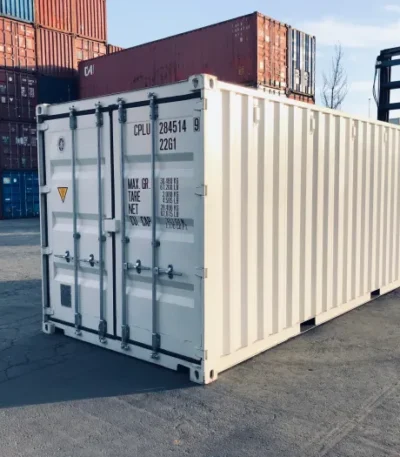
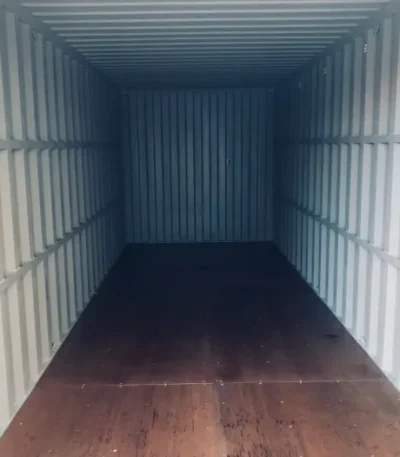
CONTENEUR MOBILE DE 20 PIEDS
Le prix initial était : 2,995.00€.1,395.00€Le prix actuel est : 1,395.00€.CONTENEUR MOBILE DE 20 PIEDS
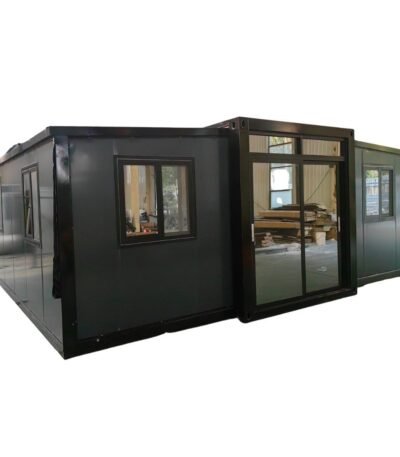
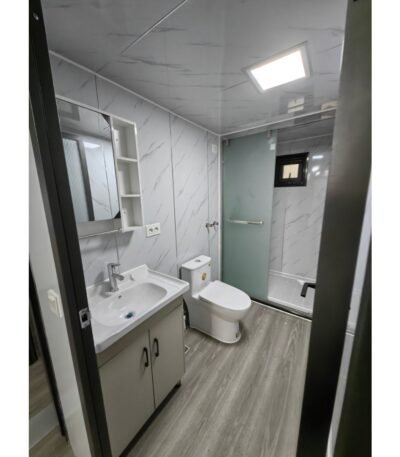
Conteneur mobile Tiny House 3 pièces de 35 m2 maison préfabriquée pliable et mobile
Le prix initial était : 18,550.00€.6,850.00€Le prix actuel est : 6,850.00€.Conteneur mobile Tiny House 3 pièces de 70m2 maison préfabriquée pliable et mobile
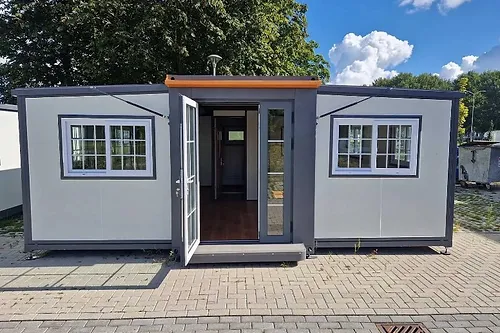
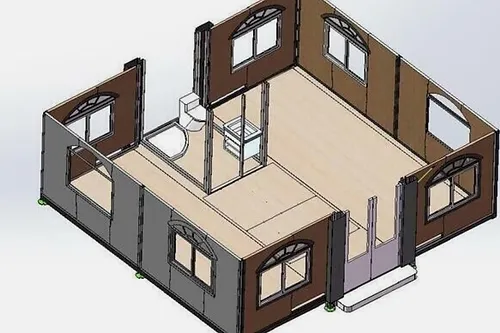
Conteneur Mobile Tiny House Deluxe avec Cuisine
Le prix initial était : 5,450.00€.5,150.00€Le prix actuel est : 5,150.00€.Conteneur Mobile Tiny House Deluxe avec Cuisine
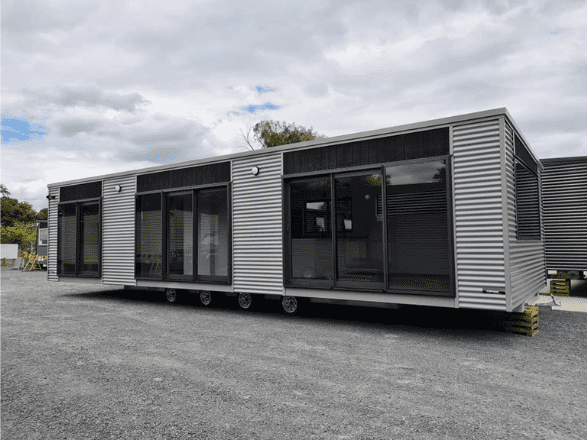
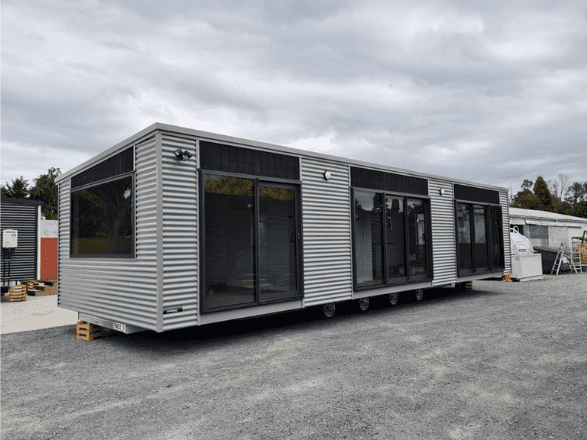
Conteneur Modulaire Climatisation T2 de 50m²
Le prix initial était : 16,250.00€.11,500.00€Le prix actuel est : 11,500.00€.Conteneur Modulaire Climatisation T2 de 50m²
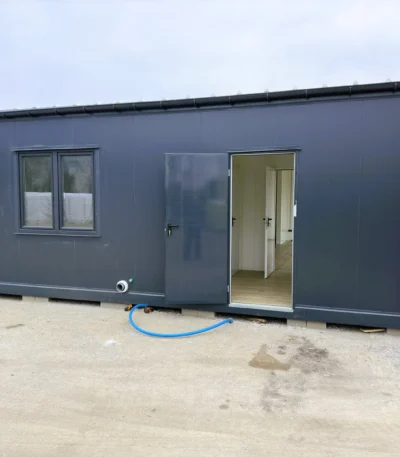
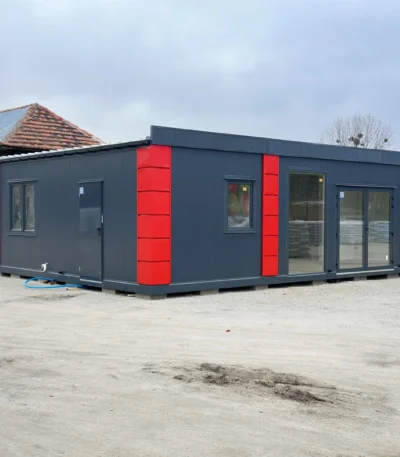
Conteneur Modulaire en panneaux sandwich – bureaux, commerces/logements, 6 pièces – 63 m²
Conteneur Modulaire en panneaux sandwich – bureaux, commerces/logements, 6 pièces – 63 m²

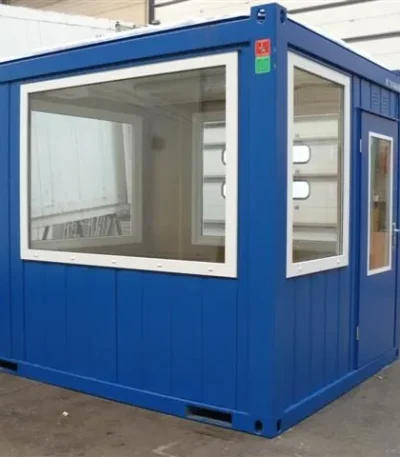
CONTENEUR OBSERVATION 10 PIEDS / UNITÉ ENTIÈREMENT VITRÉE
1,925.00€CONTENEUR OBSERVATION 10 PIEDS / UNITÉ ENTIÈREMENT VITRÉE
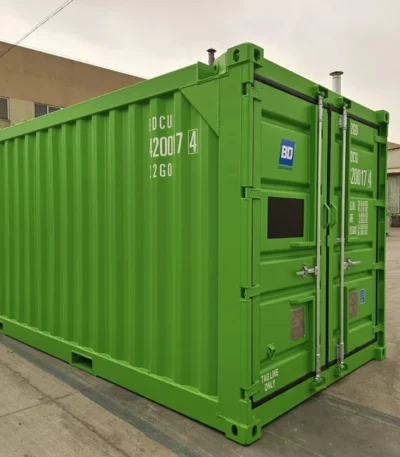
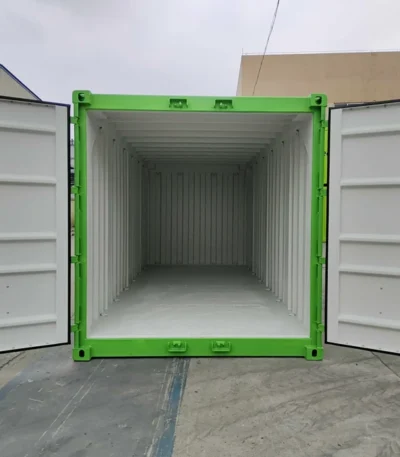
Conteneur Offshore 20 Pieds Dnv 2.7-1
Le prix initial était : 3,119.00€.1,450.00€Le prix actuel est : 1,450.00€.Utilisation : Offshore, Transport, Stockage
Type de sol : Acier
Certifications : ISO 10855, CSC, DNV 2.7-1
Tare : 4050 kg
Capacité de charge : 16500 kg
Max. poids brut : 20550 kg
Volume : 33,20 m 3
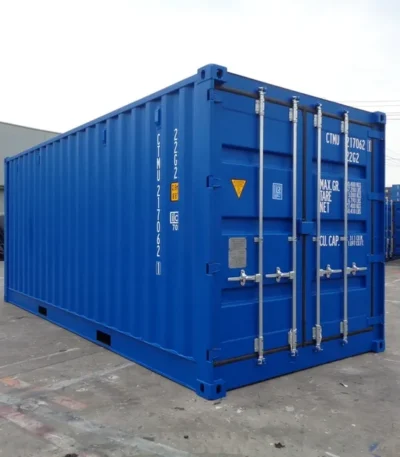
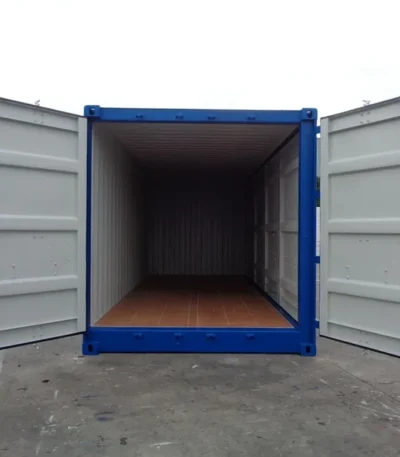
Conteneur Open side 20 pieds Neuf
Le prix initial était : 2,380.00€.1,558.00€Le prix actuel est : 1,558.00€.Conteneur Open side 20 pieds Neuf
Contenu : 31,1 m3
Max. brut : 30480 kg
Poussée : 3240 kg
Capacité de charge maximale : 27240 kg